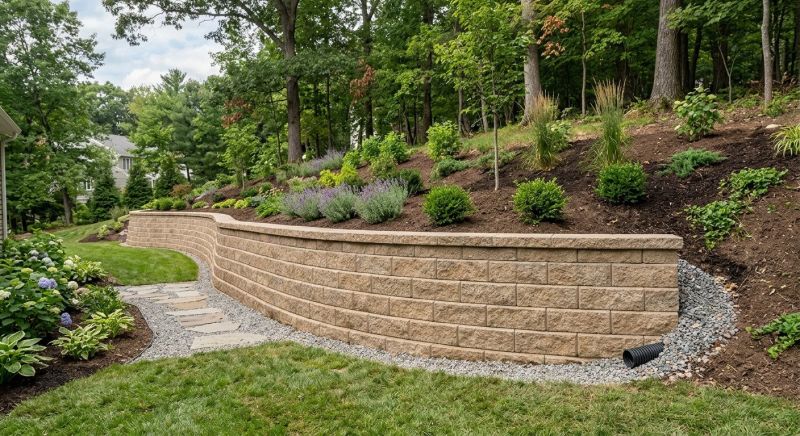
Retaining Wall Installation in Clermont, FL
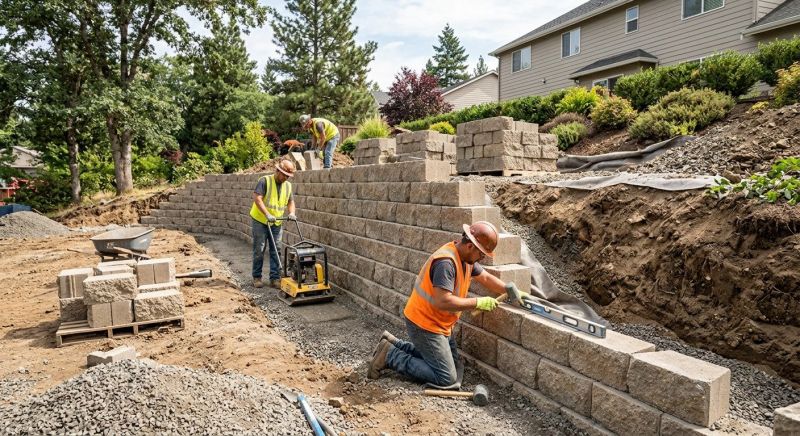
Retaining wall installation services involve constructing structures designed to hold back soil and create level areas on sloped landscapes. These walls are commonly used to prevent erosion, improve property drainage, and enhance outdoor aesthetics. Projects can range from small garden borders to large, structural walls supporting terraced lawns or driveways, making them a versatile solution for various landscaping needs. Property owners often want to understand the different materials available, such as concrete, stone, or timber, and how each can complement their property's style and function. It’s also important to consider the soil conditions and the extent of the project to ensure the wall will be durable and effective.
Before requesting retaining wall installation, property owners should evaluate the purpose of the wall, whether for erosion control, aesthetic appeal, or additional usable space. Understanding the size, height, and location of the wall helps determine the appropriate design and materials. Additionally, considering factors like drainage, soil stability, and local building codes can influence the project's scope and success. Proper planning ensures the retaining wall will effectively serve its intended function while enhancing the overall landscape of the property.
Many property owners in Clermont, FL look into Retaining Wall Installation for repairs, replacements, upgrades, and appearance-related improvements.
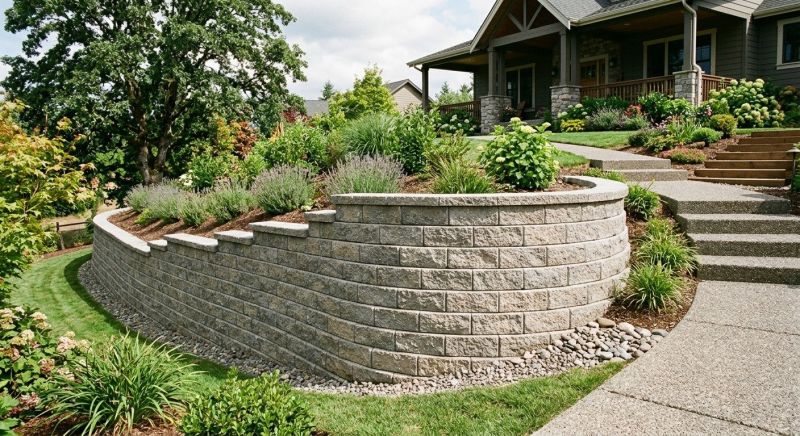
Types Of Retaining Walls
Various materials and styles are available to suit different landscape needs and aesthetic preferences.
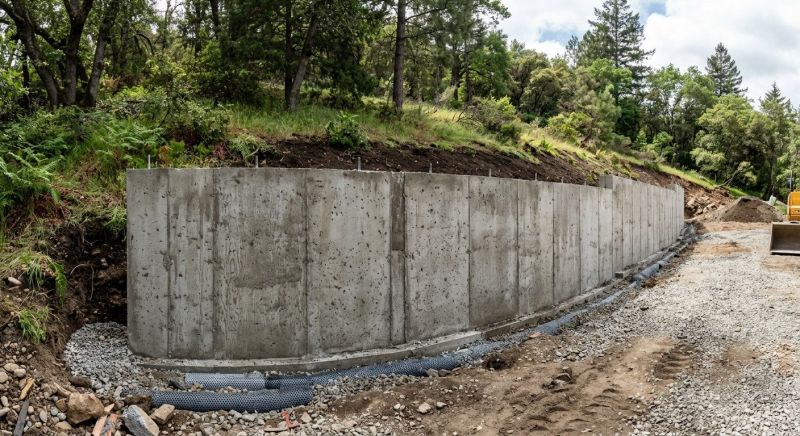
Benefits Of Retaining Walls
They help prevent soil erosion, create level areas, and enhance the overall appeal of properties in clermont.
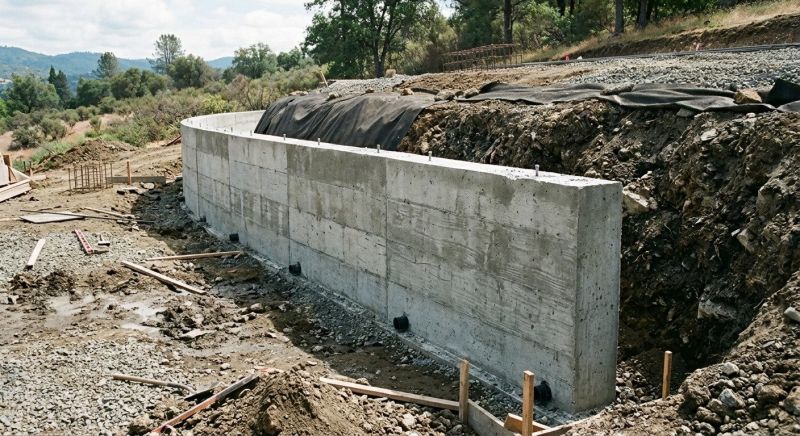
Design Considerations
Proper planning ensures structural stability and complements the natural surroundings of clermont properties.
Retaining Wall Installation in Clermont, FL
Retaining wall installation services involve constructing structures designed to hold back soil and create level areas on sloped landscapes. These walls are commonly used to prevent erosion, improve property drainage, and enhance outdoor aesthetics. Projects can range from small garden borders to large, structural walls supporting terraced lawns or driveways, making them a versatile solution for various landscaping needs. Property owners often want to understand the different materials available, such as concrete, stone, or timber, and how each can complement their property's style and function. It’s also important to consider the soil conditions and the extent of the project to ensure the wall will be durable and effective.
Before requesting retaining wall installation, property owners should evaluate the purpose of the wall, whether for erosion control, aesthetic appeal, or additional usable space. Understanding the size, height, and location of the wall helps determine the appropriate design and materials. Additionally, considering factors like drainage, soil stability, and local building codes can influence the project's scope and success. Proper planning ensures the retaining wall will effectively serve its intended function while enhancing the overall landscape of the property.
Many property owners in Clermont, FL look into Retaining Wall Installation for repairs, replacements, upgrades, and appearance-related improvements.
Common Retaining Wall Installation Jobs
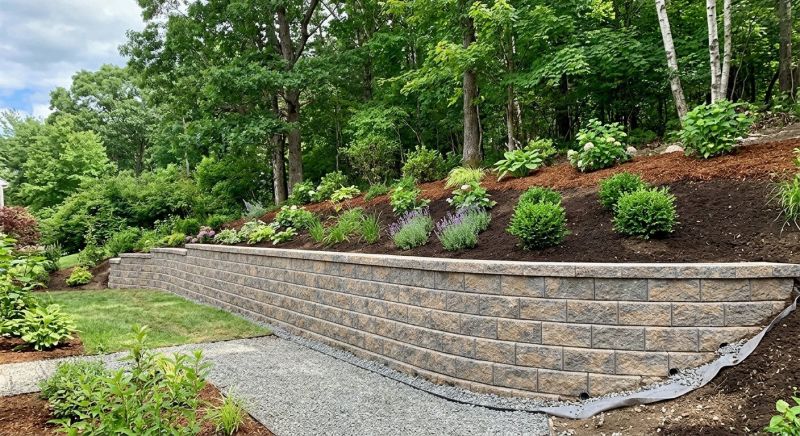
Garden Bed Retaining Walls - help define planting areas and prevent soil erosion.
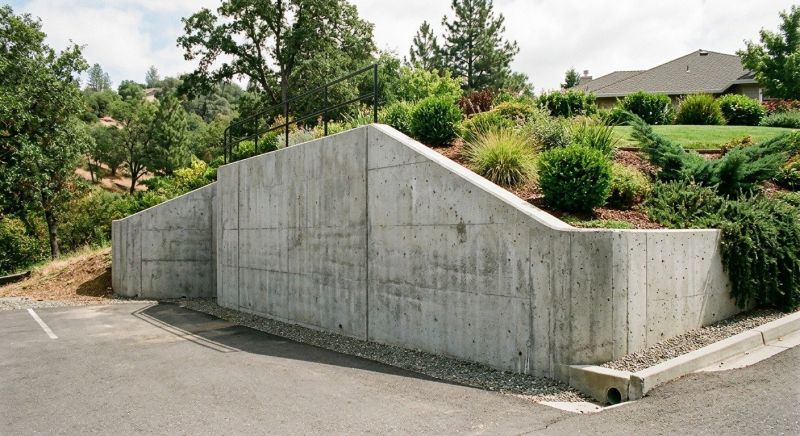
Driveway Retaining Walls - provide support for sloped driveways and parking areas.
Terrace and Patio Walls - create level outdoor spaces for relaxation and entertainment.
Erosion Control Walls - protect property foundations from water runoff and soil loss.
Property Boundary Walls - establish clear property lines and enhance privacy.
Slope Stabilization Walls - secure hillside areas and reduce the risk of landslides.
Retaining Wall Installation Questions
What are retaining walls used for? Retaining walls help hold back soil, prevent erosion, and create level areas on sloped properties in Clermont, FL.
What materials are common for retaining walls? Common materials include concrete blocks, natural stone, and treated wood, chosen based on the project’s needs and aesthetic preferences.
How do I know if a retaining wall is needed? Signs like soil erosion, shifting ground, or uneven landscaping indicate a retaining wall may be necessary to stabilize the area.
What types of projects typically require a retaining wall? Retaining walls are often used for garden terraces, yard leveling, driveway support, or to create decorative landscape features.
Request Retaining Wall Installation in Clermont, FL
Use the quote form on this page to share the basics of your project and request more information for the type of work you need.