Get Retaining Wall Replacement
Retaining Wall Replacement services help property owners fix unstable or damaged walls, improve landscape stability, and handle projects involving soil retention and erosion control.
If you're considering replacing a retaining wall on your property, you're in the right place to explore your options. Retaining wall replacement can be an important step in maintaining the stability and appearance of your landscape, especially if the current structure has become damaged or no longer meets your needs. Property owners in the area often look into this work to improve safety, prevent erosion, and enhance the overall value of their property. Understanding the practical reasons for replacement can help in planning your project and making informed decisions.
There are a variety of local contractors equipped to handle retaining wall replacement projects, offering expertise tailored to the area's specific conditions. Comparing these service providers can help identify the best approach for your property’s unique requirements. Keep reading to learn more about how professional retaining wall replacement services can support your property’s safety and aesthetic goals, and how to find the right local experts for your project.
- Retaining Wall Replacement - when existing walls have shifted, cracked, or failed, requiring professional replacement.
- Landscape Renovation - as part of improving or redesigning outdoor spaces that need sturdy support structures.
- Property Drainage Solutions - to address drainage issues caused by failing retaining walls that no longer contain soil effectively.
- Erosion Control Projects - when soil erosion threatens landscaping or structures, necessitating new retaining wall installation.
- Foundation Stabilization - in situations where shifting or compromised retaining walls impact the stability of nearby foundations.
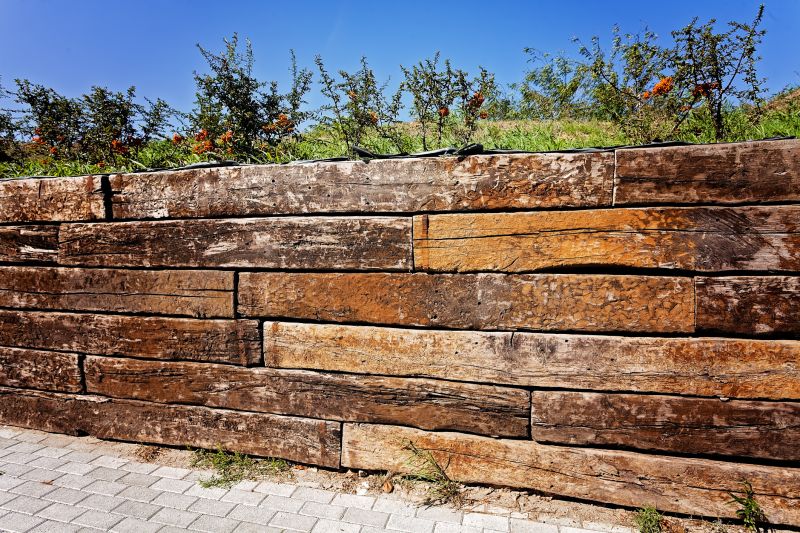
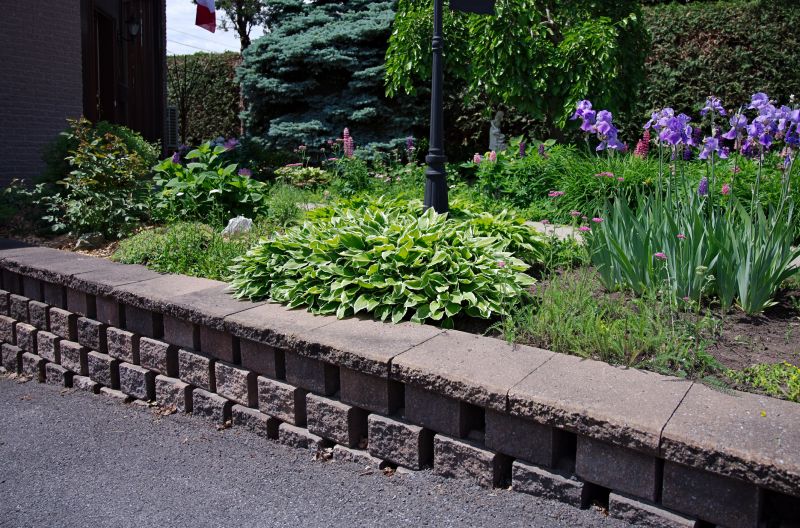
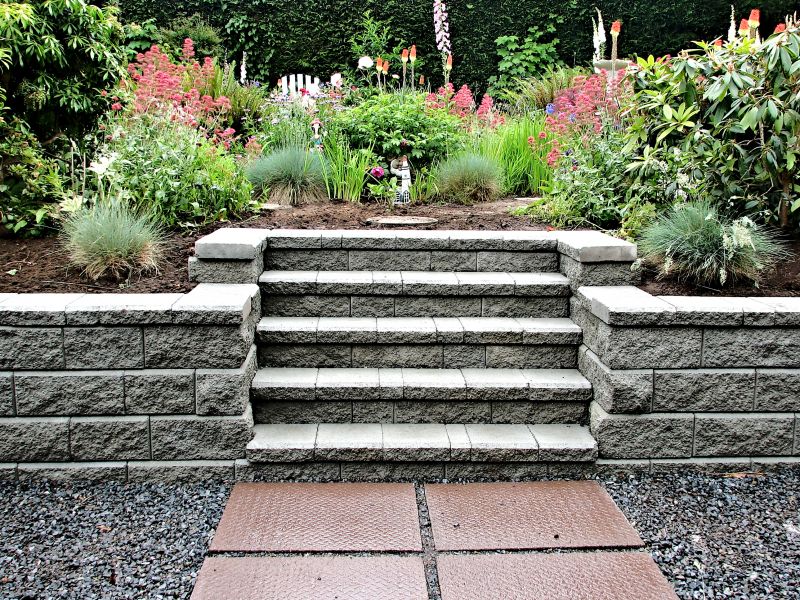
Retaining wall replacement services involve removing old or damaged retaining structures and installing new ones to better support soil, prevent erosion, and enhance the stability of outdoor spaces. This process typically includes assessing the existing wall, excavating any compromised materials, and constructing a durable new wall using materials such as concrete, stone, or timber. The goal is to create a sturdy barrier that can withstand environmental pressures and maintain the integrity of the landscape over time. Property owners seeking this service often prioritize safety, aesthetics, and long-term durability for their outdoor areas.
Many problems can signal the need for a retaining wall replacement. Signs such as cracking, leaning, or bulging walls indicate structural failure, which can lead to soil erosion or even property damage. Water pooling or runoff flowing over or behind the wall can also suggest that the existing structure is no longer effective. Over time, natural settling or shifting of the ground can weaken walls, making replacement necessary to prevent further issues. Homeowners experiencing these problems may find that replacing an aging or compromised retaining wall restores stability and reduces the risk of costly repairs down the line.
Retaining wall replacement services are commonly used on residential properties with sloped yards, gardens, or landscaped terraces. They are also frequently needed on commercial properties with uneven terrain or landscaping features that require support. These projects are especially relevant for properties where erosion or soil movement threatens structures, gardens, or driveways. Whether a property has an aging wall that no longer performs well or a new landscape design that requires additional support, local contractors can provide the expertise needed to ensure the new wall is properly integrated into the property’s existing features.
Homeowners considering retaining wall replacement should look for signs of deterioration or instability in their current structures. If a wall appears cracked, leaning, or showing signs of shifting, or if there is evidence of water damage or erosion, it may be time to consult with local service providers. Professional contractors can evaluate the situation and recommend appropriate solutions to improve the safety, appearance, and functionality of outdoor spaces. Contacting experienced local pros ensures that the project is handled with the right materials and techniques to meet the specific needs of each property.
The overview below groups typical Retaining Wall Replacement projects into broad ranges so you can see how smaller, mid-sized, and larger jobs often compare in your area.
In many markets, a large share of routine jobs stays in the lower and middle ranges, while only a smaller percentage of projects moves into the highest bands when the work is more complex or site conditions are harder than average.
Smaller Repairs - typical costs range from $250 to $600 for many routine retaining wall repairs or replacements. Most projects in this range involve minor fixes or partial replacements handled by local contractors. Larger, more complex jobs tend to fall into higher price brackets.
Mid-Range Projects - full replacement of a standard retaining wall usually costs between $1,500 and $3,500. Many homeowners find their projects land in this range, which covers common materials and moderate site conditions. More intricate designs or larger areas can push costs higher.
Large or Complex Projects - extensive retaining wall replacements or those involving challenging terrain can range from $4,000 to $8,000 or more. These projects often require specialized equipment or custom solutions, which are less common but necessary for certain sites.
High-End Installations - premium materials, custom designs, or large-scale projects can exceed $10,000. While fewer projects reach this tier, local service providers experienced in high-end work can handle these specialized jobs. Costs vary based on scope and complexity.
Actual totals will depend on details like access to the work area, the scope of the project, and the materials selected, so use these as general starting points rather than exact figures.
Garden Wall Construction - local contractors skilled in building garden walls often have experience with retaining structures, utilizing similar techniques and materials.
Landscape Grading and Drainage - professionals who handle grading and drainage work are familiar with soil stabilization and foundation planning relevant to retaining wall replacement projects.
Concrete Block Wall Installation - installing concrete block walls requires expertise in structural support and site preparation, skills also essential for retaining wall replacement.
Soil Stabilization Projects - soil stabilization involves techniques that are closely related to retaining wall planning, ensuring proper support and erosion control.
Terrace and Patio Construction - constructing terraces and patios involves retaining structures and site leveling, sharing planning and construction skills with retaining wall replacement.
Erosion Control Solutions - erosion control projects often require installing barriers and retaining systems, making them relevant to retaining wall replacement services.
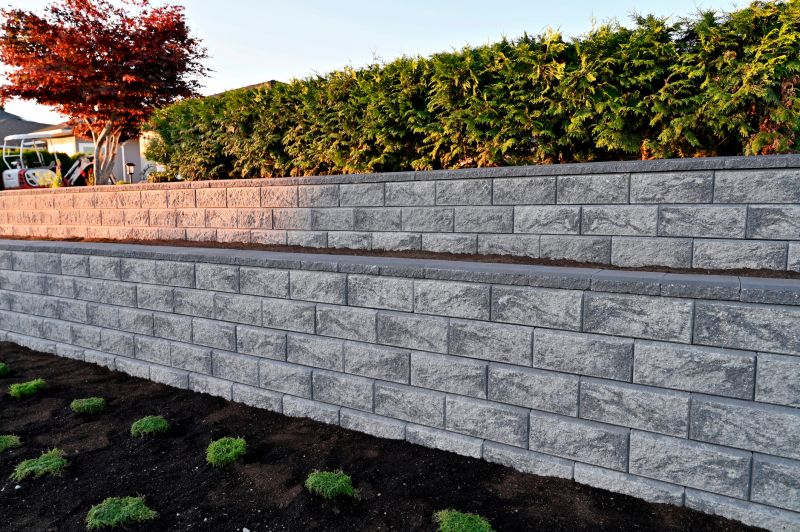
When comparing service providers for retaining wall replacement, it’s important to consider their experience with similar projects. Homeowners should look for local contractors who have a proven track record of successfully completing retaining wall replacements in environments comparable to their own. This experience can indicate familiarity with local soil conditions, weather challenges, and design preferences, which can contribute to a more reliable and durable result. Gathering details about previous work helps ensure that the chosen professionals have relevant expertise and can handle the specific demands of the project.
Clear written expectations are essential when evaluating potential service providers. Homeowners should seek out contractors who can provide detailed project descriptions, including scope of work, materials to be used, and any relevant specifications. Having this information in writing helps prevent misunderstandings and ensures everyone is aligned on the project's goals. It’s also beneficial to ask for a comprehensive outline of what the project will entail, so that expectations are transparent from the outset and there’s a shared understanding of the work involved.
Reputable references and good communication are key factors in selecting the right local contractor for retaining wall replacement. Homeowners should request references from previous clients to gain insights into the contractor’s reliability, quality of work, and professionalism. Additionally, observing how promptly and clearly the service provider communicates during initial discussions can indicate their level of customer service and responsiveness. These elements contribute to a smoother project experience and can help ensure that the chosen professional is dependable and easy to work with throughout the process.
Property owners use Retaining Wall Replacement services for practical projects around their homes and businesses. This guide focuses on everyday jobs and straightforward project options.
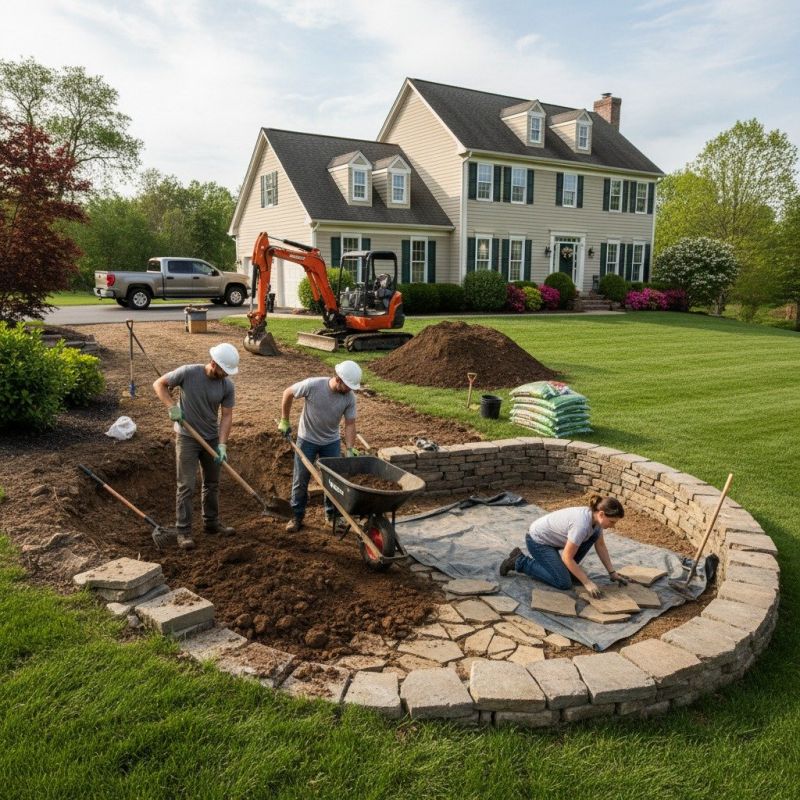
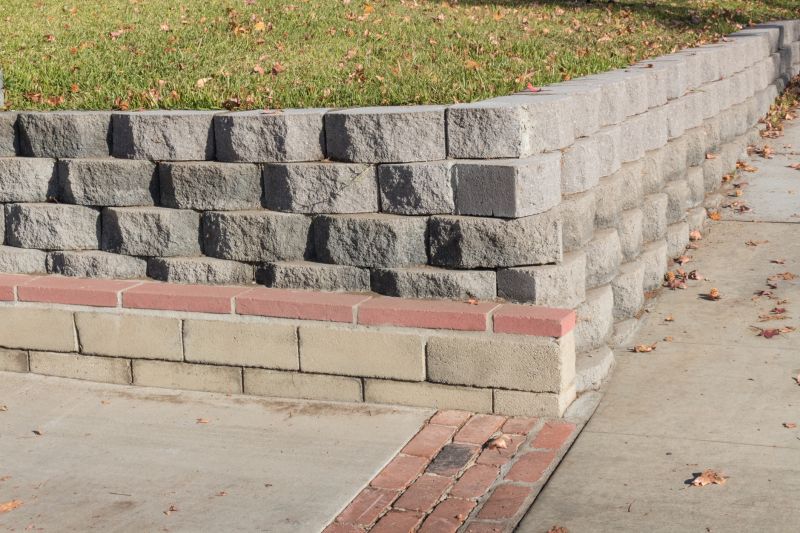
Retaining wall replacement services are often needed when existing walls have become damaged or unstable due to age, weather, or shifting soil. Property owners might notice bowing, cracking, or leaning walls that threaten the safety and appearance of their landscape. Local contractors can evaluate these issues and provide solutions to restore structural integrity, helping to prevent further damage and maintain the property's value.
In other cases, property owners may seek retaining wall replacement when planning landscape updates or drainage improvements. Over time, older walls may no longer meet the needs of a changing yard or garden. Local service providers can assist with removing outdated structures and installing new walls that better support the terrain, improve drainage, and enhance curb appeal.
What are common reasons to replace a retaining wall? Retaining walls may need replacement due to age, structural damage, shifting soil, or increased load demands that compromise stability.
How can I tell if my retaining wall needs to be replaced? Signs include leaning, cracking, bulging, or soil erosion around the wall, indicating potential failure or deterioration.
What types of materials are used for retaining wall replacements? Common materials include concrete, natural stone, brick, and timber, chosen based on the site conditions and aesthetic preferences.
Are there specific considerations when replacing an existing retaining wall? Yes, factors like soil conditions, drainage, and load requirements influence the replacement process and material choice.
How do local contractors ensure the durability of a new retaining wall? They typically assess site conditions, use appropriate materials, and incorporate proper drainage solutions to enhance longevity.
Garden Bed Support - Retaining walls can help create level areas for flower beds or vegetable gardens, making the space more functional and attractive.
Erosion Control - Replacing aging or damaged retaining walls can prevent soil erosion on slopes or uneven terrain around a property.
Property Boundary Definition - Installing or replacing retaining walls can clearly define property lines and improve overall landscape organization.
Patio or Terrace Expansion - Retaining wall replacement allows for the addition of outdoor living spaces on different levels, enhancing usability and aesthetics.
If you are thinking about Retaining Wall Replacement for a property, this guide is meant to help you understand the work, the typical project types, and how different options might fit your plans.
When you are ready, you can use the quote form on this page to share a few details about your project. From there, local pros can review the basics and respond with options that match what you have in mind.